
Strength Training and the Complexities of the Lumbo-Pelvic Hip Complex
Training the human body to respond positively to stress is a challenging endeavor. Often what seems like a simple task reveals itself to be much more complex than it was perceived to be. If all we think about is perform exercise "A-F" with the prescribed sets, reps, weights and using the appropriate rest periods then yeah this is pretty straight forward. However, the reality is that engaging with the dynamic adaptations to the human nervous system, muscular system, aerobic system and cardiovascular system can be quite complex if you are paying attention.
When we look specifically at the lumbo-pelvic hip complex we see a lot of incredibly important structures that allow the human body to walk, run, jump, lunge, squat, hinge and perform a myriad of other movements. Since training revolves around providing a challenging stimulus of stress to these muscles, bones, ligaments, tendons and organs it becomes important to start with some foundational knowledge about what the function of those structures are.
First let's start with the movements and motions of the hip and femur. The muscles of the hip can flex, extend, abduct, adduct, internally and externally rotate the femur.

The hip(when trained well) can be a highly mobile and simultaneously strong joint that is capable of producing a lot of force/velocity. If it is not functioning well however, then the fascia of lumbar spine, the IT band as well as the patellar tendons will compensate for this lack of function. Since the brain is considerably adept at adjusting where the body receives loading in order to prevent injuries from occuring it will move stress from the hip to other structures that have greater load bearing capacity. This is often why you see people struggle to move well later in older age with significant limitations in gait and they do not possess the requisite strength/capacity to sit and stand without assistance from the rest of the body. What you are witnessing in those instances is most likely a body that has few options for movement left.

Ideally in hip extension and hip flexion training patterns(squatting, hinging, lunging or stepping) the glutes should take on the primary responsibility for extension of the femur posteriorly. The hamstrings can help with this and so can the adductors as well as the lumbar erectors. However, all three other muscles have secondary functions as well. Hamstrings also flex the knee, adductors also flex the femur and the lumbar erectors also play a big role in spinal stabilization. So if the glutes are fatigued in the lower body patterns what often occurs is that the secondary movers of the pelvis receive some more compensatory stress than they should. This compensatory pattern over time can lead to glute inhibition if it is not trained out. This is how we have athletes who tear hamstrigs as well as adductors and carry around a lot of lumbar stress with their gait.

In hip flexion(femur to rib cage pattern/the descent in the squat) the muscles of the psoas and iliacus perform a pretty significant role of simultaneously stabilizing the spine and flexing the hip. Since the iliacus and psoas muscles are attached to the spine and the proximal end of the femur they are critical to any unilateral gait pattern or any bi-lateral exercise that you can think of. A weaker or "slacked" psoas/iliacus creates a lumbar sag in the posture and a stronger psoas/iliacus creates a flatter back. In many cases when you watch people move through their lower body patterns you can literally see in many cases what their movement strategies are by looking at their alignment at the pelvis and rib cage. If they have a big lumbar arch then the likelihood is that they are missing some stiffness on the inside of their body.

Beyond that other muscles of the lumbo-pelvic hip complex will pick up the slack for the psoas and iliacus in order to keep the body moving. The usual culprits are the adductor group, the TFL(tensor fascia latae) and the rectus femoris. So if you are someone who feels these muscles receive a lot of fatigue from doing leg lifts or any other kind of supine abdominal exercise the compensation you are working with is a well developed one. This long term makes it difficult to allow the psoas and iliacus to be the prime movers of the femur in flexion. This becomes important to remedy especially with increased loading of the spine in exercise like barbell squats and deadlifts.

The stronger pull you have from the lumbar the quieter the other muscles will be. Those pesky "hip" cramps that show up in running or cycling should be a signal that your spine is no longer being stabilized as optimally as possible. Instead what is occuring is that the compensatory muscles(adductors, TFL, rectus femoris) are picking up the stress that would be load shared best with most of the stabilization and movement coming from the deep intrinsic muscles of the spine and pelvis.

When looking at pelvic stabilization in the frontal plane and with single leg dynamic rotation it becomes important to preserve the tensional balance between the glute abductors and the femur internal rotators of the adductors. Too much torque to the inside of the femur will create a stress pattern on the inside of the knee that is commonly considered a risk factor for MCL sprains and tears. A valgus knee position in a squat or deadlift or lunge movement is also a specific cause for concern with female athletes because the Q Angle creates a much more significant amount of joint stress.

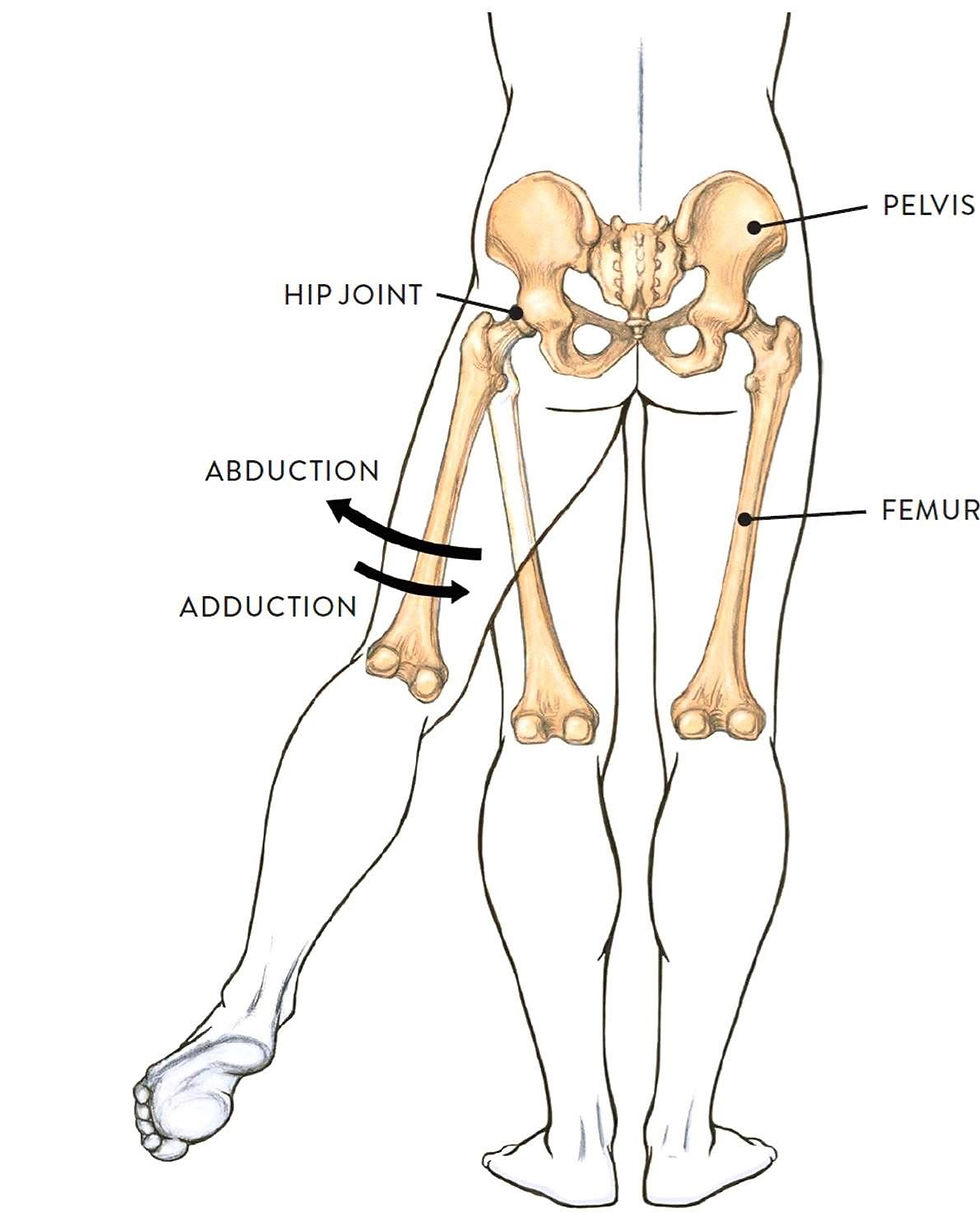
Any and all of these compensatory movements can show up with the increased stress of training. Special consideration needs to be taken to improve these mechanics as the loads of training increase. If training stress increases and movement quality diminishes then what occurs is greater amounts of risk for injury and lesser amounts of reward from the training process.


Comments